Choosing a Sliding Gate Installer in Round Rock

Two gate installers can quote the same opening and the same operator, and the results can still differ by a decade of service, so the intervals sliding gates round rock new trouble uses to check an installer are shorter than most homeowners expect. The choice in Round Rock comes down to what happens before the first post goes in, how the footing is dug, and who answers when the gate sticks in August.
Permits and HOA review
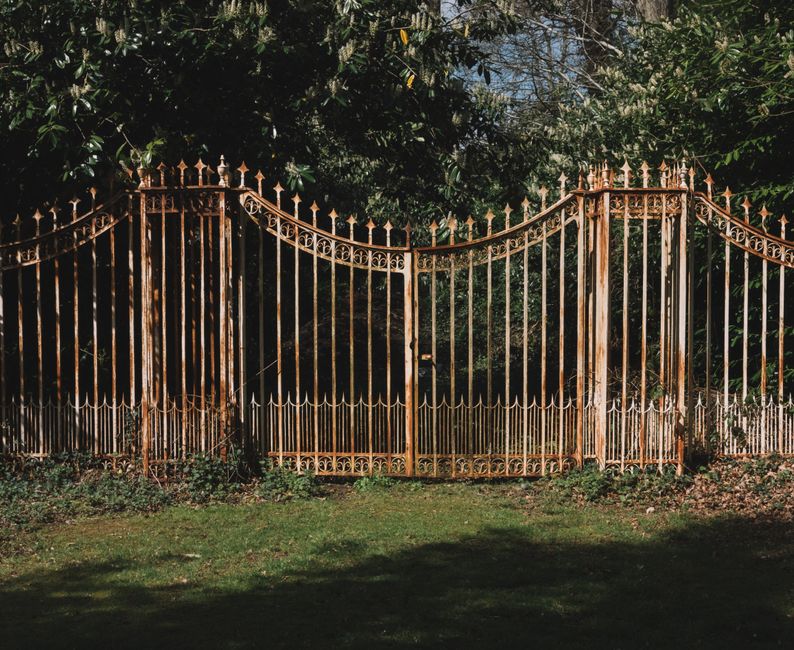
Many Round Rock subdivisions, including those around Forest Creek, require architectural review before a gate goes up, and the city may require a permit for a gate across a driveway or an electrical connection. A good installer asks about both at the first visit. A bid that ignores the HOA or the permit leaves the homeowner to find the problem after the steel is already cut.
Utility locates and electrical

Texas requires a utility locate before digging, and a footing trench can cross gas, water or electric lines that run along a driveway. The operator also needs power, and that means a trenched conduit or a solar setup. An installer who plans the conduit route before pouring the beam avoids cutting concrete later.
Fabrication and materials
Ask where the frame is built and what the tubing and coating are. Steel with galvanized or powder coat finish suits the heat and sprinklers of Williamson County, and aluminum suits a lighter leaf. Welds should be clean and ground flush. An installer who can show a finished frame, not just a catalog, is working from real shop experience.
Ground conditions
An installer who has worked in Round Rock knows that expansive clay soil moves, and plans the track footing for it. Questions about footing depth, grade beam design and drainage show whether the person has dealt with a binding gate before. Vague answers about concrete are a warning sign.
Service after the install
Gates need adjustment after the first season, when the ground settles and rollers wear in. A contractor who offers a follow up visit and keeps spare parts for the operator is easier to deal with than one who vanishes. Written details on the operator brand, the sensors and the warranty terms prevent confusion later.
A site visit tells most of the story. A contractor who measures the opening, probes the soil, checks the slope and asks where the power will come from is planning the whole job, not just quoting a gate.